Buy ciné.be ?
We are moving the project
ciné.be .
Are you interested in purchasing the domain
ciné.be ?
domain@kv-gmbh.de · 0541-91531010
Buy ciné.be ?
Hello people, what is the difference between "à tout à l'heure" and "à tout de suite"?
"À tout à l'heure" and "à tout de suite" are both French expressions used to indicate that you will see someone later. However, "à tout à l'heure" is more casual and implies that the meeting will happen in a little while, while "à tout de suite" is more immediate and suggests that the meeting will happen very soon, almost instantly. **
Hello guys, what is the difference between "à tout à l'heure" and "à tout de suite"?
"À tout à l'heure" and "à tout de suite" are both French expressions used to indicate that you will see someone later. However, "à tout à l'heure" is more commonly used to mean "see you later" when the time frame is a bit longer, such as later in the day. On the other hand, "à tout de suite" is used when the meeting or reunion is happening very soon, almost immediately. **


Similar search terms for Mavala-Vernis-à-Ongles
Top-Angebote
Products related to Mavala-Vernis-à-Ongles:
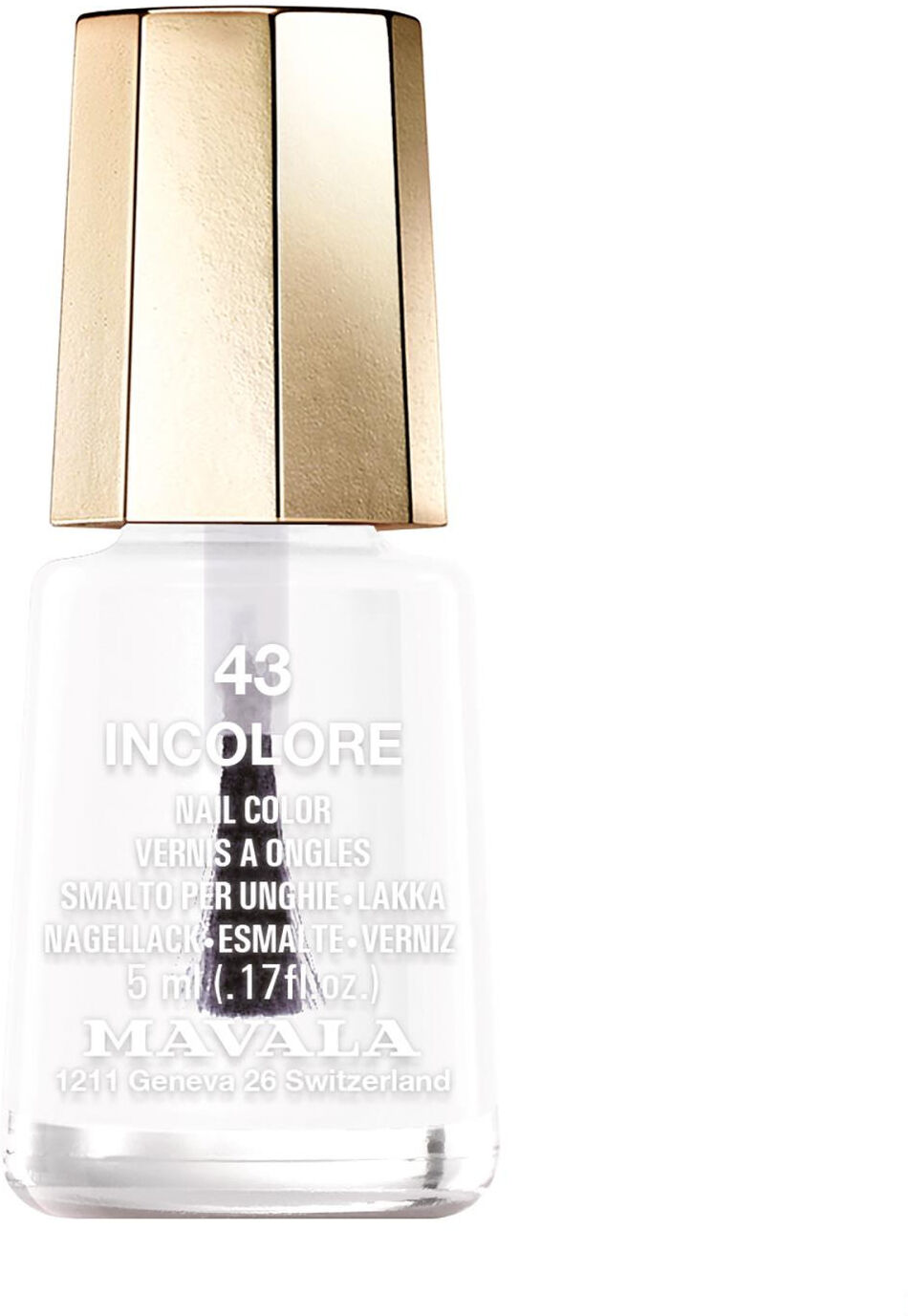


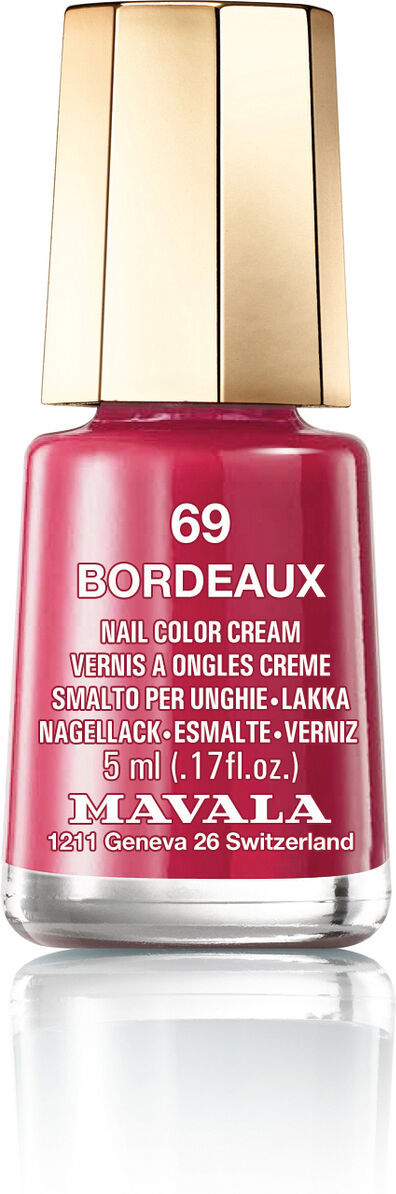
-
Hello everyone, what is the difference between "à tout à l'heure" and "à tout de suite"?
"À tout à l'heure" and "à tout de suite" are both French expressions used to indicate that you will see someone later. However, "à tout à l'heure" is more casual and can mean "see you later" or "see you in a bit," while "à tout de suite" is more immediate and means "see you soon" or "see you in a moment." The choice between the two depends on the level of immediacy in the meeting or the context in which it is being used. **
-
What is a tendu à terre à la seconde en face?
A tendu à terre à la seconde en face is a movement in ballet where the working foot slides along the floor to the side (à la seconde) while the body is facing directly forward (en face). This movement is typically done with the working leg fully stretched and the foot pointed, and it is used to strengthen the legs, improve turnout, and develop precision and control in the feet. The tendu à terre à la seconde en face is a fundamental exercise in ballet that is often used as a warm-up or as part of a combination in a ballet class. **
-
What is the French film Camping à la ferme?
"Camping à la ferme" is a French film directed by Jean-Pierre Sinapi. The movie tells the story of a farmer who decides to open up his land to campers in order to make some extra money. The film explores the interactions and relationships that develop between the farmer, the campers, and the local community. It is a heartwarming comedy that highlights the beauty of rural life and the importance of human connections. **
-
Does anyone know the French film Camping à la ferme?
Yes, "Camping à la ferme" is a French film directed by Jean-Pierre Sinapi. It was released in 2005 and tells the story of a family who runs a farm and decides to open a campsite to make ends meet. The film explores the dynamics of the family and the interactions with the campers, offering a humorous and heartwarming portrayal of rural life. It received positive reviews for its charming and authentic portrayal of the French countryside. **


What is the French film Camping à la ferme about?
"Camping à la ferme" is a French film about a family who runs a farm and decides to open a campsite on their property to make some extra money. The film follows the interactions and relationships between the family members, the campers, and the local community as they navigate the challenges and joys of running a campsite. The story explores themes of family dynamics, rural life, and the clash between traditional and modern ways of living. **
When do we use the prepositions à, à la, chez, au, and aux in French?
We use the preposition "à" to indicate a location or destination, to express possession, or to talk about a specific time. "À la" is used before a feminine singular noun to indicate a location or destination. "Chez" is used to indicate going to someone's house or place of business. "Au" is used before a masculine singular noun to indicate a location or destination. "Aux" is used before a plural noun to indicate a location or destination. **
Top-Angebote
Products related to Mavala-Vernis-à-Ongles:
-
Hello people, what is the difference between "à tout à l'heure" and "à tout de suite"?
"À tout à l'heure" and "à tout de suite" are both French expressions used to indicate that you will see someone later. However, "à tout à l'heure" is more casual and implies that the meeting will happen in a little while, while "à tout de suite" is more immediate and suggests that the meeting will happen very soon, almost instantly. **
-
Hello guys, what is the difference between "à tout à l'heure" and "à tout de suite"?
"À tout à l'heure" and "à tout de suite" are both French expressions used to indicate that you will see someone later. However, "à tout à l'heure" is more commonly used to mean "see you later" when the time frame is a bit longer, such as later in the day. On the other hand, "à tout de suite" is used when the meeting or reunion is happening very soon, almost immediately. **
-
Hello everyone, what is the difference between "à tout à l'heure" and "à tout de suite"?
"À tout à l'heure" and "à tout de suite" are both French expressions used to indicate that you will see someone later. However, "à tout à l'heure" is more casual and can mean "see you later" or "see you in a bit," while "à tout de suite" is more immediate and means "see you soon" or "see you in a moment." The choice between the two depends on the level of immediacy in the meeting or the context in which it is being used. **
-
What is a tendu à terre à la seconde en face?
A tendu à terre à la seconde en face is a movement in ballet where the working foot slides along the floor to the side (à la seconde) while the body is facing directly forward (en face). This movement is typically done with the working leg fully stretched and the foot pointed, and it is used to strengthen the legs, improve turnout, and develop precision and control in the feet. The tendu à terre à la seconde en face is a fundamental exercise in ballet that is often used as a warm-up or as part of a combination in a ballet class. **
Similar search terms for Mavala-Vernis-à-Ongles
-
What is the French film Camping à la ferme?
"Camping à la ferme" is a French film directed by Jean-Pierre Sinapi. The movie tells the story of a farmer who decides to open up his land to campers in order to make some extra money. The film explores the interactions and relationships that develop between the farmer, the campers, and the local community. It is a heartwarming comedy that highlights the beauty of rural life and the importance of human connections. **
-
Does anyone know the French film Camping à la ferme?
Yes, "Camping à la ferme" is a French film directed by Jean-Pierre Sinapi. It was released in 2005 and tells the story of a family who runs a farm and decides to open a campsite to make ends meet. The film explores the dynamics of the family and the interactions with the campers, offering a humorous and heartwarming portrayal of rural life. It received positive reviews for its charming and authentic portrayal of the French countryside. **
-
What is the French film Camping à la ferme about?
"Camping à la ferme" is a French film about a family who runs a farm and decides to open a campsite on their property to make some extra money. The film follows the interactions and relationships between the family members, the campers, and the local community as they navigate the challenges and joys of running a campsite. The story explores themes of family dynamics, rural life, and the clash between traditional and modern ways of living. **
-
When do we use the prepositions à, à la, chez, au, and aux in French?
We use the preposition "à" to indicate a location or destination, to express possession, or to talk about a specific time. "À la" is used before a feminine singular noun to indicate a location or destination. "Chez" is used to indicate going to someone's house or place of business. "Au" is used before a masculine singular noun to indicate a location or destination. "Aux" is used before a plural noun to indicate a location or destination. **
* All prices are inclusive of VAT and, if applicable, plus shipping costs. The offer information is based on the details provided by the respective shop and is updated through automated processes. Real-time updates do not occur, so deviations can occur in individual cases. ** Note: Parts of this content were created by AI.