Buy ciné.be ?
We are moving the project
ciné.be .
Are you interested in purchasing the domain
ciné.be ?
domain@kv-gmbh.de · 0541-91531010
Buy ciné.be ?
What is Dutch vocal polyphony?
Dutch vocal polyphony is a style of music that emerged in the Netherlands during the Renaissance period. It is characterized by the use of multiple independent vocal lines, each with its own melody, rhythm, and text, creating rich harmonies and intricate textures. Dutch composers such as Jan Pieterszoon Sweelinck were known for their contributions to this genre, which was popular in both sacred and secular settings. The use of vocal polyphony allowed for a high level of expressiveness and complexity in the music, making it a significant part of the Dutch musical tradition. **
Can someone explain polyphony to me?
Polyphony is a musical texture that features two or more independent melodic lines played or sung simultaneously. Each line has its own rhythm and contour, and they interact with each other to create a rich and complex sound. Polyphony is often associated with Renaissance and Baroque music, and it requires a high level of skill and coordination from the performers to maintain the independence of the different voices. This texture contrasts with homophony, where all voices move together in harmony, and monophony, where there is only one melodic line. **

Similar search terms for Polyphony
Top-Angebote
Products related to Polyphony:
-
vidaXL Film pour fenêtre dépoli gris 0,9x100m PVCGrâce à ce film de protection anti-éclaboussures pour fenêtres, votre chambre ou votre salle de bains bénéficiera d’une plus grande intimité grâce à son aspect dépoli. Protection de l’intimité : ce film pour vitrage résistant préserve l’intimité de vos pièces et peut également servir d’élément décoratif pour les portes vitrées ou les meubles dotés de surfaces en verre. Facilité d’utilisation : il s’applique et s’enlève facilement sans laisser de résidus. Large éventail d’applications : ce film pour vitrage peut être utilisé dans divers espaces, tels que les chambres, les salles de bains, les cuisines et les salons.214,99 €*Shipping: 0,00 €Secure redirect to the provider
-
vidaXL Film pour fenêtre dépoli gris 45x500cm PVCCe film pour vitres est le choix idéal pour créer un espace privé, mais aussi pour transformer et égayer votre intérieur. Protection de l’intimité : ce film teinté pour fenêtres offre une excellente protection de l’intimité, garantissant que personne ne puisse voir à l’intérieur ni vous déranger. Que vous viviez près d’un jardin ou dans une rue animée, vous pouvez profiter de votre intimité en toute sérénité. Transmission douce de la lumière : utilisez ce film teinté pour filtrer la lumière intense, réduire l’éblouissement et créer un environnement confortable chez vous. Il permet également de ralentir le vieillissement du mobilier et d’embellir votre intérieur. Utilisations multiples : le film teinté pour vitres peut être utilisé dans divers espaces, tels que les chambres, les salles de bains, les cuisines et les salons. Facile à utiliser : le film teinté pour vitres peut être facilement découpé pour s’adapter à différentes formes et répondre à vos besoins. Conseils d’installation : nettoyez soigneusement la surface à traiter. Mesurez la surface et découpez le film. Vaporisez de l’eau sur la surface. Retirez le film de protection transparent. Appliquez le film sur la surface ciblée. Utilisez la raclette pour éliminer les bulles d’air. Essuyez l’eau à l’aide d’un chiffon. Bon à savoir : Le produit doit être appliqué sur une surface lisse.12,80 €*Shipping: 0,00 €Secure redirect to the provider


-
What is the difference between polyphony and homophony?
Polyphony is a musical texture where two or more independent melodic lines are played simultaneously. Each line has its own rhythm and melody, creating a complex and layered sound. Homophony, on the other hand, is a musical texture where all voices or instruments move together in harmony, supporting a single melody. In homophony, there is a clear distinction between the melody and the accompanying parts, creating a more unified and harmonious sound. **
-
Can you explain the history of early polyphony?
Early polyphony emerged in Western music during the medieval period, around the 9th century. It involved the simultaneous singing of two or more independent melodic lines. Initially, early polyphony was primarily found in sacred music, particularly in Gregorian chant. Over time, composers began to experiment with adding additional voices and creating more complex harmonies, leading to the development of intricate polyphonic compositions. This marked a significant shift from the monophonic music of the early Middle Ages and laid the foundation for the rich polyphonic textures of the Renaissance period. **
-
What does polyphony mean in a digital piano?
Polyphony in a digital piano refers to the number of individual notes or voices that the instrument can produce simultaneously. For example, if a digital piano has a polyphony of 64, it means that it can play up to 64 notes at the same time. This is important for more complex pieces of music that require multiple notes to be played at once, as a higher polyphony allows for a richer and more realistic sound. It is especially important for advanced players and composers who need to create intricate and layered compositions. **
-
What is the difference between homophony and polyphony?
Homophony is a musical texture in which a single melody is supported by a harmonic accompaniment, creating a clear distinction between the main melody and the supporting harmonies. Polyphony, on the other hand, is a musical texture in which two or more independent melodies are played or sung simultaneously, creating a more complex and layered sound. In homophony, all voices or instruments move together rhythmically, while in polyphony, each voice or instrument has its own rhythm and melodic independence. Overall, homophony emphasizes harmony and a clear main melody, while polyphony emphasizes the interplay of multiple independent melodies. **


What is the difference between polyphony and canon?
Polyphony refers to a musical texture where two or more independent melodic lines are played simultaneously. Each line has its own rhythm and melody, creating a rich and complex sound. On the other hand, a canon is a specific type of polyphonic composition where a melody is imitated by one or more voices at a fixed time interval. In a canon, the same melody is repeated by different voices, creating a layered and contrapuntal effect. While both polyphony and canon involve multiple independent voices, the key difference lies in the specific imitation of a melody in a canon. **
What is the difference between musical polyphony and counterpoint?
Musical polyphony refers to the simultaneous combination of two or more independent melodic lines, creating a texture where multiple voices are heard at the same time. Counterpoint, on the other hand, is the technique of writing music in which two or more melodic lines are interwoven and interact with each other. In other words, counterpoint is a specific method of creating polyphony, focusing on the relationship and interaction between the different melodic lines. While polyphony is a broader concept that encompasses any music with multiple independent voices, counterpoint specifically refers to the rules and techniques for writing and organizing those voices. **
Top-Angebote
Products related to Polyphony:
-
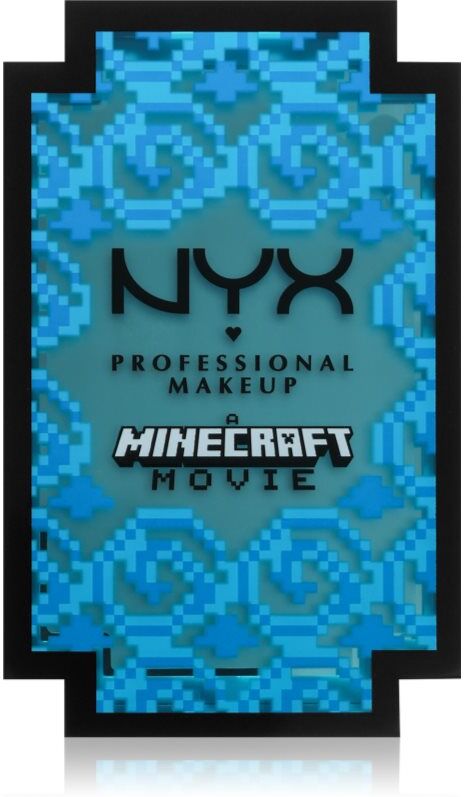
NYX Professional Makeup A Minecraft Movie miroir de maquillage 1 pcsNYX Professional Makeup A Minecraft Movie, 1 pcs, Miroirs cosmétiques pour femme, Vous attachez une grande importance à votre apparence et encore plus à votre make-up ? Le miroir de maquillage NYX Professional Makeup A Minecraft Movie vous sera donc très certainement utile. Il vous permet de voir toutes les parties de votre visage lors de vos séances de maquillage ou de soin et vous aide ainsi à obtenir un résultat précis, exactement comme vous le souhaitez. Vous sublimer, prendre soin de vous et vous préparer, quelle que soit l’occasion, ne sera jamais aussi simple qu’avec ce miroir. Le produit : aide à toujours garder le contrôle de votre maquillage parfait dans la valise ou le sac à main Mode d’emploi : Utilisez à tout moment selon les besoins pour contrôler votre apparence ou refaire votre maquillage.12,96 €*Shipping: 3,45 €Secure redirect to the provider
-
vidaXL Film pour fenêtre dépoli gris 0,9x100m PVCGrâce à ce film de protection anti-éclaboussures pour fenêtres, votre chambre ou votre salle de bains bénéficiera d’une plus grande intimité grâce à son aspect dépoli. Protection de l’intimité : ce film pour vitrage résistant préserve l’intimité de vos pièces et peut également servir d’élément décoratif pour les portes vitrées ou les meubles dotés de surfaces en verre. Facilité d’utilisation : il s’applique et s’enlève facilement sans laisser de résidus. Large éventail d’applications : ce film pour vitrage peut être utilisé dans divers espaces, tels que les chambres, les salles de bains, les cuisines et les salons.214,99 €*Shipping: 0,00 €Secure redirect to the provider
-
vidaXL Film pour fenêtre dépoli gris 45x500cm PVCCe film pour vitres est le choix idéal pour créer un espace privé, mais aussi pour transformer et égayer votre intérieur. Protection de l’intimité : ce film teinté pour fenêtres offre une excellente protection de l’intimité, garantissant que personne ne puisse voir à l’intérieur ni vous déranger. Que vous viviez près d’un jardin ou dans une rue animée, vous pouvez profiter de votre intimité en toute sérénité. Transmission douce de la lumière : utilisez ce film teinté pour filtrer la lumière intense, réduire l’éblouissement et créer un environnement confortable chez vous. Il permet également de ralentir le vieillissement du mobilier et d’embellir votre intérieur. Utilisations multiples : le film teinté pour vitres peut être utilisé dans divers espaces, tels que les chambres, les salles de bains, les cuisines et les salons. Facile à utiliser : le film teinté pour vitres peut être facilement découpé pour s’adapter à différentes formes et répondre à vos besoins. Conseils d’installation : nettoyez soigneusement la surface à traiter. Mesurez la surface et découpez le film. Vaporisez de l’eau sur la surface. Retirez le film de protection transparent. Appliquez le film sur la surface ciblée. Utilisez la raclette pour éliminer les bulles d’air. Essuyez l’eau à l’aide d’un chiffon. Bon à savoir : Le produit doit être appliqué sur une surface lisse.12,80 €*Shipping: 0,00 €Secure redirect to the provider
-
What is Dutch vocal polyphony?
Dutch vocal polyphony is a style of music that emerged in the Netherlands during the Renaissance period. It is characterized by the use of multiple independent vocal lines, each with its own melody, rhythm, and text, creating rich harmonies and intricate textures. Dutch composers such as Jan Pieterszoon Sweelinck were known for their contributions to this genre, which was popular in both sacred and secular settings. The use of vocal polyphony allowed for a high level of expressiveness and complexity in the music, making it a significant part of the Dutch musical tradition. **
-
Can someone explain polyphony to me?
Polyphony is a musical texture that features two or more independent melodic lines played or sung simultaneously. Each line has its own rhythm and contour, and they interact with each other to create a rich and complex sound. Polyphony is often associated with Renaissance and Baroque music, and it requires a high level of skill and coordination from the performers to maintain the independence of the different voices. This texture contrasts with homophony, where all voices move together in harmony, and monophony, where there is only one melodic line. **
-
What is the difference between polyphony and homophony?
Polyphony is a musical texture where two or more independent melodic lines are played simultaneously. Each line has its own rhythm and melody, creating a complex and layered sound. Homophony, on the other hand, is a musical texture where all voices or instruments move together in harmony, supporting a single melody. In homophony, there is a clear distinction between the melody and the accompanying parts, creating a more unified and harmonious sound. **
-
Can you explain the history of early polyphony?
Early polyphony emerged in Western music during the medieval period, around the 9th century. It involved the simultaneous singing of two or more independent melodic lines. Initially, early polyphony was primarily found in sacred music, particularly in Gregorian chant. Over time, composers began to experiment with adding additional voices and creating more complex harmonies, leading to the development of intricate polyphonic compositions. This marked a significant shift from the monophonic music of the early Middle Ages and laid the foundation for the rich polyphonic textures of the Renaissance period. **
Similar search terms for Polyphony
-
vidaXL Film pour fenêtre dépoli gris 60x1000 cm PVCCe film pour vitres est le choix idéal pour créer un espace privé, mais aussi pour transformer et égayer votre intérieur. Protection de l’intimité : ce film teinté pour fenêtres offre une excellente protection de l’intimité, garantissant que personne ne puisse voir à l’intérieur ni vous déranger. Que vous viviez près d’un jardin ou dans une rue animée, vous pouvez profiter de votre intimité en toute sérénité. Transmission douce de la lumière : utilisez ce film teinté pour filtrer la lumière intense, réduire l’éblouissement et créer un environnement confortable chez vous. Il permet également de ralentir le vieillissement du mobilier et d’embellir votre intérieur. Utilisations multiples : le film teinté pour vitres peut être utilisé dans divers espaces, tels que les chambres, les salles de bains, les cuisines et les salons. Facile à utiliser : le film teinté pour vitres peut être facilement découpé pour s’adapter à différentes formes et répondre à vos besoins. Conseils d’installation : nettoyez soigneusement la surface à traiter. Mesurez la surface et découpez le film. Vaporisez de l’eau sur la surface. Retirez le film de protection transparent. Appliquez le film sur la surface ciblée. Utilisez la raclette pour éliminer les bulles d’air. Essuyez l’eau à l’aide d’un chiffon. Bon à savoir : Le produit doit être appliqué sur une surface lisse.18,30 €*Shipping: 0,00 €Secure redirect to the provider
-
vidaXL Film pour fenêtre dépoli gris 60x2000 cm PVCCe film pour vitres est le choix idéal pour créer un espace privé, mais aussi pour transformer et égayer votre intérieur. Protection de l’intimité : ce film teinté pour fenêtres offre une excellente protection de l’intimité, garantissant que personne ne puisse voir à l’intérieur ni vous déranger. Que vous viviez près d’un jardin ou dans une rue animée, vous pouvez profiter de votre intimité en toute sérénité. Transmission douce de la lumière : utilisez ce film teinté pour filtrer la lumière intense, réduire l’éblouissement et créer un environnement confortable chez vous. Il permet également de ralentir le vieillissement du mobilier et d’embellir votre intérieur. Utilisations multiples : le film teinté pour vitres peut être utilisé dans divers espaces, tels que les chambres, les salles de bains, les cuisines et les salons. Facile à utiliser : le film teinté pour vitres peut être facilement découpé pour s’adapter à différentes formes et répondre à vos besoins. Conseils d’installation : nettoyez soigneusement la surface à traiter. Mesurez la surface et découpez le film. Vaporisez de l’eau sur la surface. Retirez le film de protection transparent. Appliquez le film sur la surface ciblée. Utilisez la raclette pour éliminer les bulles d’air. Essuyez l’eau à l’aide d’un chiffon. Bon à savoir : Le produit doit être appliqué sur une surface lisse.27,10 €*Shipping: 0,00 €Secure redirect to the provider
-
What does polyphony mean in a digital piano?
Polyphony in a digital piano refers to the number of individual notes or voices that the instrument can produce simultaneously. For example, if a digital piano has a polyphony of 64, it means that it can play up to 64 notes at the same time. This is important for more complex pieces of music that require multiple notes to be played at once, as a higher polyphony allows for a richer and more realistic sound. It is especially important for advanced players and composers who need to create intricate and layered compositions. **
-
What is the difference between homophony and polyphony?
Homophony is a musical texture in which a single melody is supported by a harmonic accompaniment, creating a clear distinction between the main melody and the supporting harmonies. Polyphony, on the other hand, is a musical texture in which two or more independent melodies are played or sung simultaneously, creating a more complex and layered sound. In homophony, all voices or instruments move together rhythmically, while in polyphony, each voice or instrument has its own rhythm and melodic independence. Overall, homophony emphasizes harmony and a clear main melody, while polyphony emphasizes the interplay of multiple independent melodies. **
-
What is the difference between polyphony and canon?
Polyphony refers to a musical texture where two or more independent melodic lines are played simultaneously. Each line has its own rhythm and melody, creating a rich and complex sound. On the other hand, a canon is a specific type of polyphonic composition where a melody is imitated by one or more voices at a fixed time interval. In a canon, the same melody is repeated by different voices, creating a layered and contrapuntal effect. While both polyphony and canon involve multiple independent voices, the key difference lies in the specific imitation of a melody in a canon. **
-
What is the difference between musical polyphony and counterpoint?
Musical polyphony refers to the simultaneous combination of two or more independent melodic lines, creating a texture where multiple voices are heard at the same time. Counterpoint, on the other hand, is the technique of writing music in which two or more melodic lines are interwoven and interact with each other. In other words, counterpoint is a specific method of creating polyphony, focusing on the relationship and interaction between the different melodic lines. While polyphony is a broader concept that encompasses any music with multiple independent voices, counterpoint specifically refers to the rules and techniques for writing and organizing those voices. **
* All prices are inclusive of VAT and, if applicable, plus shipping costs. The offer information is based on the details provided by the respective shop and is updated through automated processes. Real-time updates do not occur, so deviations can occur in individual cases. ** Note: Parts of this content were created by AI.